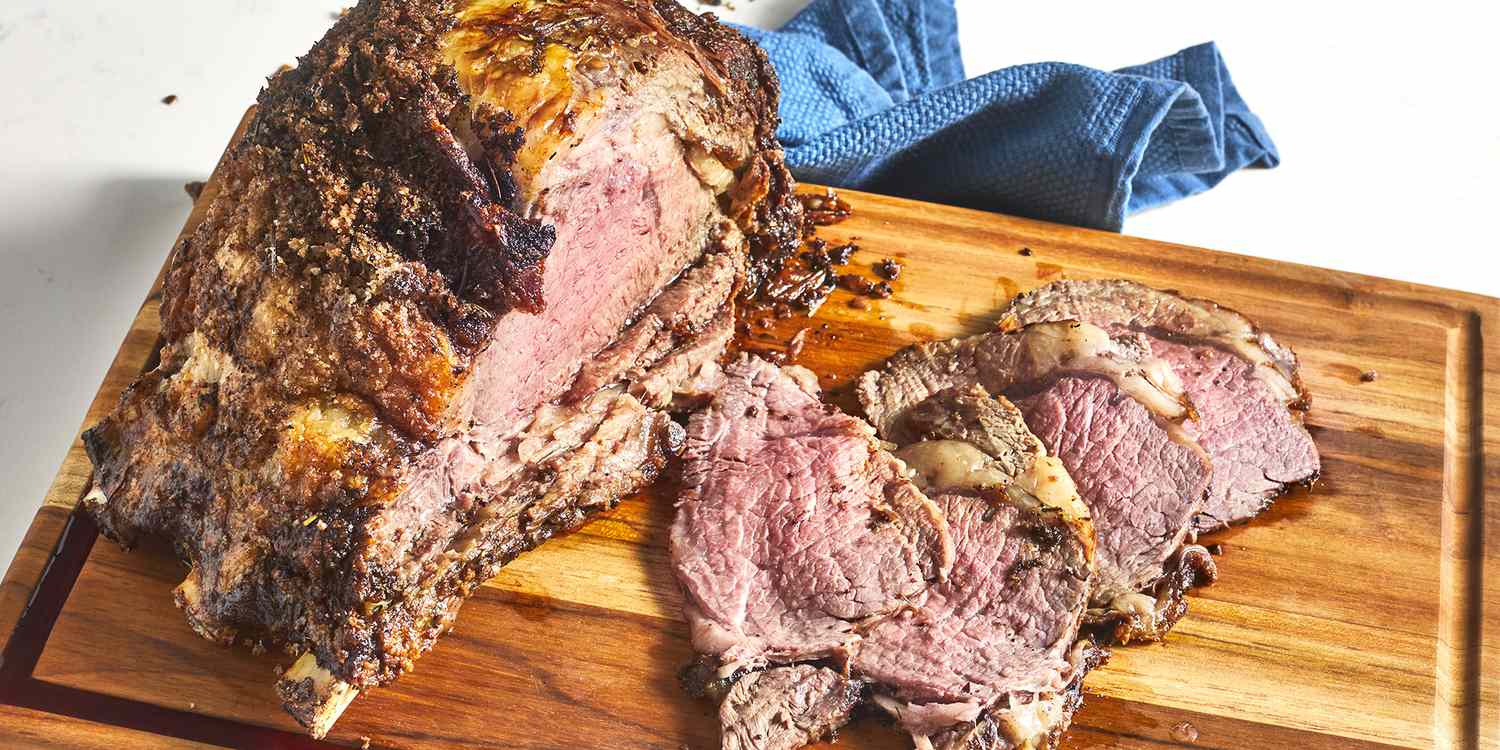
Unlock the Secret to Foolproof Perfect Prime Rib: Juicy & Tender Every Time
There are few culinary triumphs as grand and satisfying as a perfectly roasted prime rib. The mere mention of it conjures images of festive gatherings, rich aromas wafting through the kitchen, and a glistening, mahogany-crusted roast promising succulent, melt-in-your-mouth tenderness within. For many home cooks, however, the prospect of tackling such a show-stopping cut can be intimidating, often leading to fears of dry, overcooked disappointment. But what if we told you there was a truly perfect prime rib recipe – a foolproof method refined over countless family celebrations – that guarantees juicy and tender results every single time?
This isn't just another set of instructions; it's a comprehensive guide designed to demystify the art of prime rib, transforming you from an apprehensive bystander into a confident master. We've taken the wisdom of seasoned home cooks and the insights of culinary experts, including the legendary Michael Symon, to bring you a technique that prioritizes simplicity without sacrificing spectacular flavor and texture. Prepare to impress your guests and create unforgettable dining experiences, because your journey to the ultimate perfect prime rib recipe starts here.
Choosing Your Champion: The Right Prime Rib Cut
The foundation of an incredible prime rib begins with selecting the right cut. This isn't a dish where you want to skimp on quality. You're looking for a standing rib roast, often called a prime rib roast, that boasts excellent marbling – those creamy streaks of fat woven throughout the muscle. This intramuscular fat is key to moisture and flavor, rendering down during cooking to keep the meat incredibly juicy and tender.
- Bone-In vs. Boneless: Both options yield fantastic results, but they each have their unique advantages.
- Bone-In Prime Rib (Standing Rib Roast): This cut looks magnificent on the platter and often benefits from the bones acting as natural insulators, potentially contributing to more even cooking and richer flavor. However, it can be a bit more challenging to carve. Plan for about 1 pound per person.
- Boneless Prime Rib: Offers easier carving and can sometimes cook more evenly. If you opt for boneless, ensure it's tied securely by your butcher to maintain its shape. Plan for about ¾ pound per person.
- Grading: Look for "Prime" or "Choice" grades from the USDA. Prime is the highest quality with abundant marbling, while Choice is still excellent and more readily available. Select grade will be leaner and less suited for this method.
- Size: A 4-bone prime rib is a popular size, serving 6-8 people generously. Adjust your roast size based on your guest count, keeping the per-person guidelines in mind. Don't hesitate to talk to your butcher; they're an invaluable resource for selecting the best cut.
The Essential Prep: Building Flavor and Ensuring Tenderness
The path to a succulent prime rib begins long before it ever sees the oven. These crucial preparatory steps are often overlooked but are absolutely vital for a truly exceptional roast.
- Liberally Season Overnight: This is a game-changer. At least 12-24 hours before cooking, generously season your prime rib with kosher salt and freshly ground black pepper. Don't be shy with the salt; it helps to draw out moisture, then reabsorb it, effectively brining the meat from the inside out and enhancing its natural flavors. Place the seasoned roast, uncovered, in the refrigerator overnight. This allows the salt to work its magic and helps dry the exterior, promoting a fantastic crust.
- Bring to Room Temperature: An hour to an hour and a half before you plan to cook, remove the prime rib from the refrigerator. Allowing the roast to come closer to room temperature ensures more even cooking. A cold roast will cook unevenly, with the exterior potentially overcooking while the center struggles to reach the desired doneness.
Michael Symon's Inspired Roasting Technique: The Key to Perfection
Inspired by culinary titans like Michael Symon, whose profound dedication to meat preparation is legendary, this method simplifies the roasting process while guaranteeing an incredible result. Symon's approach to holiday roasts emphasizes maximizing flavor and tenderness with smart, practical steps. To master his distinct style and deepen your understanding, check out Master Prime Rib: Michael Symon's Holiday Roast Recipe for more insights.
Here's how to execute this brilliant, foolproof method:
- Prepare Your Roasting Pan (The Bone Rack Hack): If you have a bone-in prime rib, ask your butcher to remove the bones and excess fat, reserving them for you. Alternatively, you can do this yourself. Place the reserved ribs, bowed-side up, in the bottom of your roasting pan. These bones will act as a natural, flavorful roasting rack, lifting the meat and allowing for better air circulation. Scatter any trimmed fat and meat trimmings around the bones in the pan.
- Initial High-Heat Searing: Preheat your oven to a blazing 400°F (200°C). Place the roasting pan with the bones and trimmings into the hot oven for about 30 minutes, or until the fat begins to render and brown. This step builds a flavorful foundation for your drippings and gets the pan screaming hot.
- Add the Prime Rib: Remove the pan from the oven. Arrange fresh rosemary sprigs directly on top of the bones in the pan. Carefully place your room-temperature prime rib on top of the rosemary and bones. Add smashed, unpeeled garlic cloves to the bottom of the pan with the rendering fat and trimmings. Baste the beef liberally with the hot fat drippings accumulated in the pan.
- The Two-Stage Roast:
- High-Heat Blast: Return the pan to the oven at 400°F (200°C) and cook for 30 minutes. This initial high heat creates that coveted, crisp mahogany crust. After 30 minutes, baste the roast again with the pan drippings.
- Low-Heat Finish: Reduce the oven temperature to 350°F (175°C). Continue cooking, basting every 30 minutes, until the roast reaches your desired internal temperature. This lower temperature allows for a more gentle and even cook, preventing the exterior from drying out while the interior slowly comes to temperature.
- Monitor Internal Temperature: This is the single most critical step for success. Invest in a good quality meat thermometer. Insert the probe into the thickest part of the roast, avoiding any bones. Remember that the roast will continue to cook (carry-over cooking) after it's removed from the oven. Aim for these temperatures *before* resting:
- Rare: 115-120°F (46-49°C)
- Medium-Rare: 125-130°F (52-54°C) - *Our recommended target for optimal juiciness.*
- Medium: 130-135°F (54-57°C)
- Medium-Well: 140-145°F (60-63°C)
The Non-Negotiable Rest: Patience Pays Off
Once your prime rib reaches the target internal temperature, remove it from the oven immediately. Transfer the roast to a clean cutting board and let it rest, uncovered, for at least 20-30 minutes. This resting period is absolutely crucial for a juicy prime rib. As the meat rests, the internal temperature will continue to rise by 5-10 degrees (carry-over cooking), and the juices, which have been driven to the center during cooking, will redistribute throughout the roast. Skipping this step will result in a drier, tougher cut of meat as all the precious juices will simply run out when you slice.
Serving Your Masterpiece
After a patient rest, your perfect prime rib recipe is ready to be carved and enjoyed. Slice the prime rib to your desired thickness. Garnish simply with fresh arugula and a drizzle of extra-virgin olive oil, as Michael Symon suggests, or serve with a side of creamy horseradish sauce or a rich au jus made from your pan drippings. The pan drippings, infused with the essence of rosemary, garlic, and rendered fat, make an incredibly flavorful base for gravy or au jus – simply deglaze the pan with a little wine or broth, simmer, and strain.
This foolproof method delivers consistent results, creating a beautifully crusted exterior and an incredibly juicy, tender interior that will be the undisputed star of any meal. The hushed reverence around the table as this prime rib is presented and carved, followed by the enthusiastic murmurs of approval, is a culinary experience that truly brings people together.
Conclusion
Mastering the art of prime rib no longer needs to be a daunting challenge. By following this comprehensive and foolproof perfect prime rib recipe, combining smart preparation, a two-stage roasting technique, and the critical resting period, you are guaranteed to achieve a juicy and tender roast every single time. From choosing the right cut to understanding the science behind each step, you now have all the tools to create a show-stopping centerpiece that will earn you rave reviews and become a cherished tradition in your own home. So, gather your ingredients, trust the process, and prepare to bask in the glory of your perfectly cooked prime rib.
