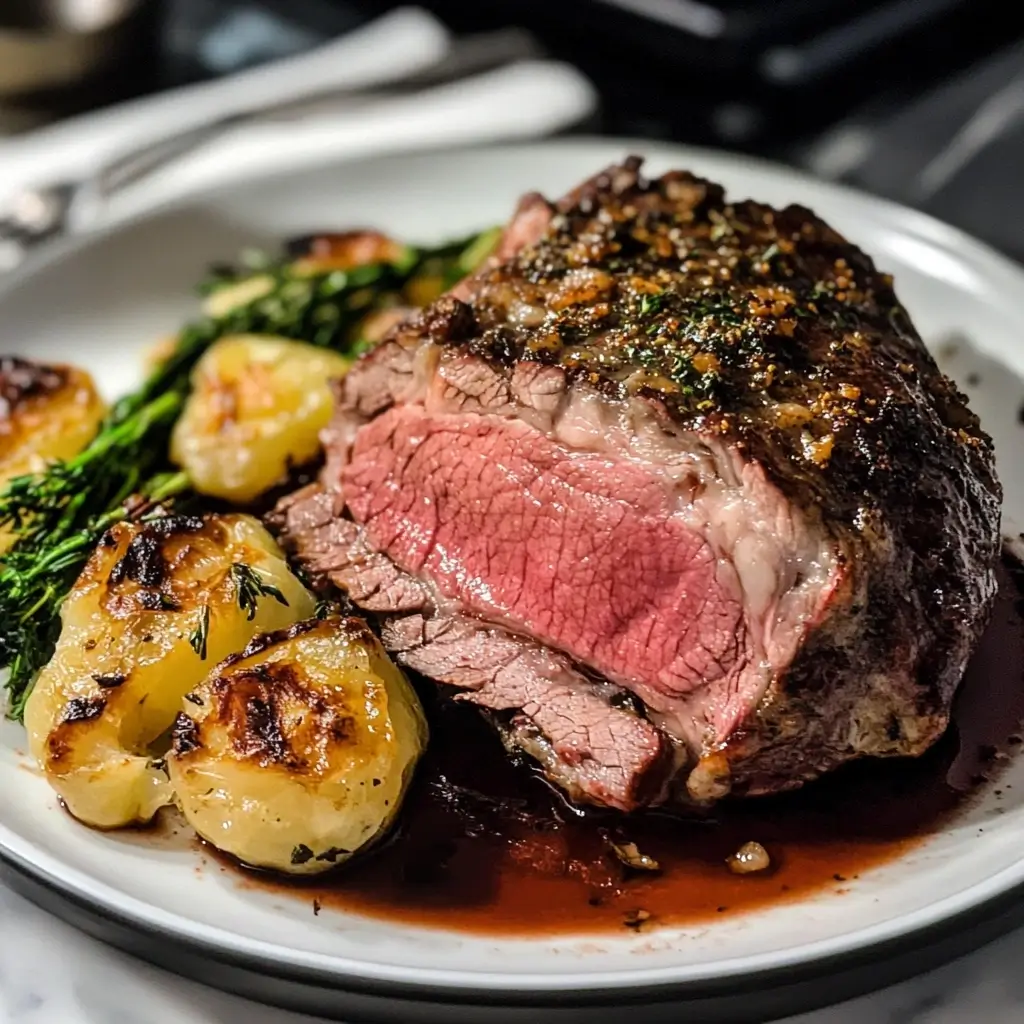
Grandma's Perfect Prime Rib: A Centerpiece Worth Celebrating
There’s an undeniable magic that happens when a perfectly cooked prime rib makes its grand entrance. The rich, savory aroma that whispers promises from the kitchen, the glistening mahogany crust that begs to be carved, and the tender, melt-in-your-mouth interior – it's more than just a meal; it’s a culinary event, a centerpiece worthy of the most cherished celebrations. For many, the prospect of tackling such a magnificent roast can feel daunting, a high-stakes gamble against dry, overcooked disappointment. But fear not! After years of refining and perfecting, we've distilled the essence of a truly foolproof method into what we lovingly call "Grandma's perfect prime rib recipe." This isn't just a guide; it's your invitation to master the art of prime rib, ensuring your roast becomes the star of every gathering, leaving guests in hushed reverence and enthusiastic murmurs of approval.The Secret to Grandma's Perfect Prime Rib Recipe
The heart of Grandma's method lies in simplicity, precision, and understanding the science behind the sensational. It's about achieving that coveted golden-brown crust while maintaining a consistently juicy, tender interior – a balance that eludes many. Our approach draws inspiration from timeless techniques and modern culinary wisdom, including insights from renowned chefs like Michael Symon, who, with his profound love for meat, understands the nuances of a show-stopping roast. The secret isn't fancy gadgets or complex maneuvers, but rather careful preparation, precise temperature control, and the patience to let the meat do its magic. This ensures that every slice delivers that sublime, melt-in-your-mouth texture and deep, beefy flavor that defines a truly foolproof perfect prime rib.Bone-In or Boneless: Making the Right Choice for Your Roast
One of the first crucial decisions when preparing a prime rib roast is whether to opt for bone-in or boneless. Both yield spectacular results, but each has distinct advantages and considerations, influencing flavor, cooking, and carving.Bone-In Prime Rib (Standing Rib Roast)
- Flavor and Insulation: Often referred to as a standing rib roast, the bone-in cut is a showstopper. The bones aren't just for aesthetics; they act as natural insulators, protecting the meat and helping it cook more evenly, especially the tender ribeye muscle close to the bone. They also impart a deeper, richer flavor to the meat and the pan drippings.
- Presentation: A bone-in prime rib on the carving board is undeniably impressive, evoking a sense of tradition and grandeur.
- Carving: While stunning, carving a bone-in roast can be a bit more challenging. Some methods involve removing the bones before roasting (and using them as a rack!), while others keep them attached until carving.
- Cooking Time: Generally, bone-in roasts may take slightly longer to cook than their boneless counterparts due to the insulating properties of the bone.
Boneless Prime Rib
- Even Cooking: Without the bones, boneless prime rib tends to cook more evenly throughout, making it slightly easier to achieve consistent doneness from edge to edge.
- Easier Carving: This is where boneless truly shines. Carving is a breeze, yielding perfect, uniform slices with minimal effort – ideal for stress-free serving.
- Yield: Since you’re not paying for bone weight, you get more edible meat per pound.
- Flexibility: Boneless roasts are easier to tie for a more compact, uniform shape, which also aids in even cooking.
Preparing Your Roast for Success: Beyond Basic Seasoning
The journey to the perfect prime rib begins long before it ever sees the inside of the oven. Proper preparation sets the stage for success.Choosing Your Meat Wisely
As mentioned, marbling is paramount. Seek out a prime rib with beautiful, creamy fat weaving through the muscle. A good butcher can help you select the best cut, whether it’s a 3-rib or 4-rib roast, depending on your guest count. Don't be shy about asking questions!The Overnight Seasoning Ritual
Grandma's secret weapon starts with a generous dry brining. Liberally season your prime rib with high-quality kosher salt and freshly ground black pepper. Why kosher salt? Its larger crystals adhere better and draw out moisture more effectively, creating a richer, deeper flavor profile and contributing to that desirable crispy crust.The Magic of Time: Refrigerate the seasoned roast, uncovered, overnight (or for at least 8-12 hours). This process allows the salt to penetrate deeply into the meat, tenderizing it and enhancing its natural flavors. It also helps to dry the surface, which is essential for developing a magnificent crust during roasting.
Beyond Salt & Pepper: While salt and pepper are fundamental, consider adding other aromatics to your rub. Crushed garlic, fresh rosemary, thyme, or even a hint of smoked paprika can add layers of complexity. Michael Symon, for instance, uses garlic and rosemary sprigs to infuse his holiday roasts with incredible flavor. You can learn more about his specific techniques in our guide to Master Prime Rib: Michael Symon's Holiday Roast Recipe.
Bringing to Room Temperature
About 1-2 hours before you plan to cook, remove the prime rib from the refrigerator. Allowing it to come to room temperature ensures more even cooking. A cold roast hitting a hot oven will cook unevenly, potentially resulting in an overcooked exterior and an undercooked interior.Trimming and Tying (Optional but Recommended)
Trim any excessive, thick layers of hard fat, but leave a thin layer (about ¼ to ½ inch) to self-baste the roast during cooking and add flavor. If you have a boneless roast, or if you've opted to remove the bones (as Symon often does, using them as a natural roasting rack beneath the meat), tie the roast with butcher's twine at 1-inch intervals. This helps maintain a uniform shape, promoting even cooking and making carving much easier.Grandma's Foolproof Cooking Method: Achieving That Perfect Medium-Rare
The actual roasting process employs a high-heat sear followed by a lower, slower cook – a technique beloved for its ability to create a beautiful crust and a tender, juicy interior.The High-Heat Blast for a Perfect Crust
Preheat your oven to a robust 400°F (200°C). If you've reserved the bones or have extra fat trimmings, place them in the bottom of your roasting pan. This elevates the roast, allows for better air circulation, and the bones/fat render down to create incredibly flavorful drippings for basting and later, an exquisite au jus. Roast these bones/trimmings for about 30 minutes until they start to render.Once the oven is hot and bones are rendering, place your prime rib directly on top of the rendered bones/fat or a sturdy roasting rack. If using aromatics like rosemary or smashed garlic, scatter them in the pan with the drippings.
Roast at 400°F (200°C) for 30 minutes. This initial high heat creates a beautiful, caramelized crust – the Maillard reaction at its finest.The Low-and-Slow Finish for Juiciness
After the initial sear, reduce the oven temperature to 350°F (175°C). Continue to roast, basting every 30 minutes with the rendered fat and pan drippings. Basting is crucial; it helps to maintain moisture, develops the crust, and infuses the roast with even more flavor.The Thermometer is Your Best Friend: This is where precision comes in. Invest in a reliable meat thermometer. For a perfect medium-rare, you’re aiming for an internal temperature of 125°F to 130°F (52°C to 54°C). Remember that the roast will continue to cook as it rests (carry-over cooking), so remove it from the oven when it reaches the lower end of your desired temperature range. For medium, target 130-135°F (54-57°C).
A typical 4-bone prime rib might take about 1 hour and 15 minutes to 1 hour and 45 minutes at 350°F (175°C) after the initial high-heat sear, but always trust your thermometer, not the clock.